News · 1 April 2025 · 3 min read
RBA Holds Rates at 4.10% – What Property Investors Need to Know
Discover what the RBA's decision to hold the cash rate at 4.10% means for property investors. Explore insights on inflation trends, market uncertainty, and the impact on rental demand and property growth.
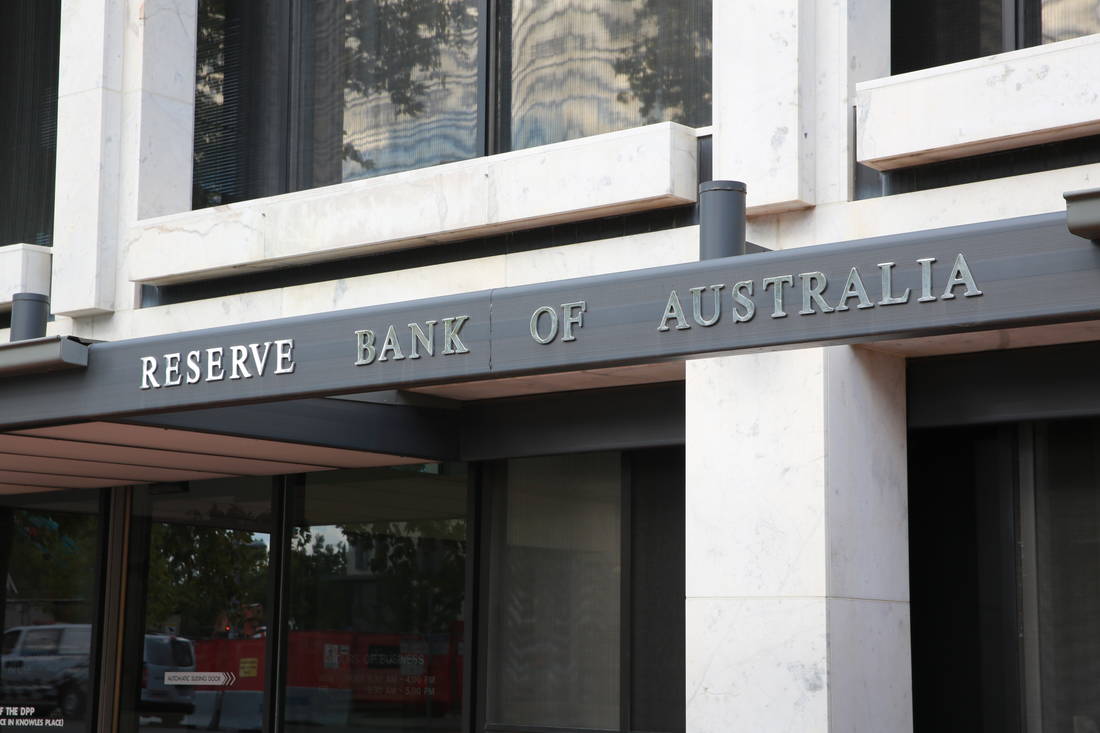
The Reserve Bank of Australia (RBA) has hit the pause button again, keeping the cash rate steady at 4.10%. No surprises here, but there’s a lot more going on beneath the surface. For property investors, understanding the “why” behind this decision—and what’s coming next—can give you an edge as you plan your next move.
So, Why Did the RBA Hold?
1. Inflation Is Coming Down, But It’s Not Mission Accomplished Yet
Inflation has dropped significantly since its 2022 peak, thanks to higher interest rates slowing things down. But the RBA isn’t popping the champagne just yet. They’re being cautious, waiting to see if this downward trend sticks before making any big moves.
2. Uncertainty Is Still Hanging Around
Even with inflation easing, there’s still plenty of uncertainty both here and overseas.
- At Home: Household incomes are rising, and financial stress has eased a bit, but not all businesses are feeling the love. Some sectors are still struggling to pass on cost increases because demand is soft. And while the labour market remains tight, productivity growth is lagging behind, which keeps costs high.
- Globally: The big unknown is what’s happening overseas. The U.S. has thrown a curveball with new tariffs, which could rattle global confidence, especially if other countries respond with their own measures. Add in ongoing geopolitical tensions, and the outlook becomes even murkier.
What Does This Mean for Property Investors?
1. Stable Rates Give You Breathing Room
For now, with rates holding steady, you’ve got some time to regroup and plan ahead. Borrowing costs aren’t climbing, which gives you the chance to fine-tune your strategy. But don’t get too comfortable—future rate moves will depend on how inflation and the economy evolve.
2. Tight Labour Market = Strong Rental Demand
The labour market is still tight, which tends to keep rental demand high—especially in areas with strong employment opportunities. If you’re investing in regions with job growth and limited housing supply, rental yields should stay solid. But keep in mind that sluggish productivity and high labour costs could slow wage growth, which might affect household spending down the line.
3. Consumer Caution Could Slow Property Growth
Even with incomes rising, the RBA is cautious about how quickly people will start spending again. If consumer spending remains subdued, it could lead to slower property price growth, particularly in the owner-occupier market. For investors, this reinforces the importance of focusing on high-demand rental markets where the fundamentals remain strong.
Will the RBA Move Rates Anytime Soon?
The RBA’s top priority is getting inflation back within its target range—and they’re willing to take their time to make sure it happens. While inflation is trending in the right direction, the Board isn’t ready to declare victory yet. They’ll be watching the data closely, looking at everything from global developments to domestic demand before deciding on the next move.
For investors, that means staying agile. Rates might stay put for now, but the economic landscape can change quickly. Being prepared to pivot as conditions evolve is key.
Key Takeaway: Stick to the Fundamentals
In times like these, the basics matter more than ever:
✅ Look for areas with strong population and employment growth.
✅ Focus on properties with high rental demand and tight supply.
✅ Keep a long-term perspective and be ready for short-term shifts.
With inflation cooling and rates on hold, this is a window of opportunity for savvy investors to position themselves for long-term growth. But staying informed and ready to adapt is what will set you apart.
At Ripehouse Advisory, we’re here to help you navigate these changing conditions with confidence—giving you the insights and strategy to grow your portfolio, no matter what the market throws your way.
With rates on hold but inflation and consumer demand still uncertain, many investors need help deciding how to position their next purchase in markets where rental demand is holding up and growth may be slower; the Ripehouse Advisory webinar can help unpack those trade-offs.
Frequently asked questions
Why did the RBA leave the cash rate at 4.10% this time?
The RBA held rates because inflation has come down but it wants more evidence that the trend will continue. It is also watching ongoing uncertainty in Australia and overseas, including soft demand in some sectors and global trade tensions.
What does a steady cash rate mean for property investors right now?
Stable rates give investors some breathing room because borrowing costs are not rising at the moment. That can make it easier to review strategy and plan ahead, but future moves will still depend on inflation and broader economic data.
How could the current labour market affect rental demand?
The article says the labour market remains tight, which tends to support strong rental demand. This is especially relevant in areas with strong employment opportunities and limited housing supply.
Could slower consumer spending affect property prices?
Yes. The article says consumer caution could slow property growth, particularly in the owner-occupier market. For investors, that means rental fundamentals may matter more than short-term price gains.
What should investors focus on while rates are on hold?
The article recommends sticking to the fundamentals: look for areas with population and employment growth, strong rental demand, and tight supply. It also suggests keeping a long-term view and being ready to adapt if conditions change.
General information only. It does not take your objectives, financial situation or needs into account, and nothing here is legal, financial, taxation or investment advice specific to your circumstances.