Market Analysis · 7 May 2025 · 3 min read
May 2025 Market Update: What’s Slowing, What’s Rising, and Why Victoria's Out in Front
Explore Australia’s latest property market trends—from slowing growth in major cities to stabilising rental yields and a surge in Victorian investment activity. Get investor insights and data-backed guidance in this monthly update.
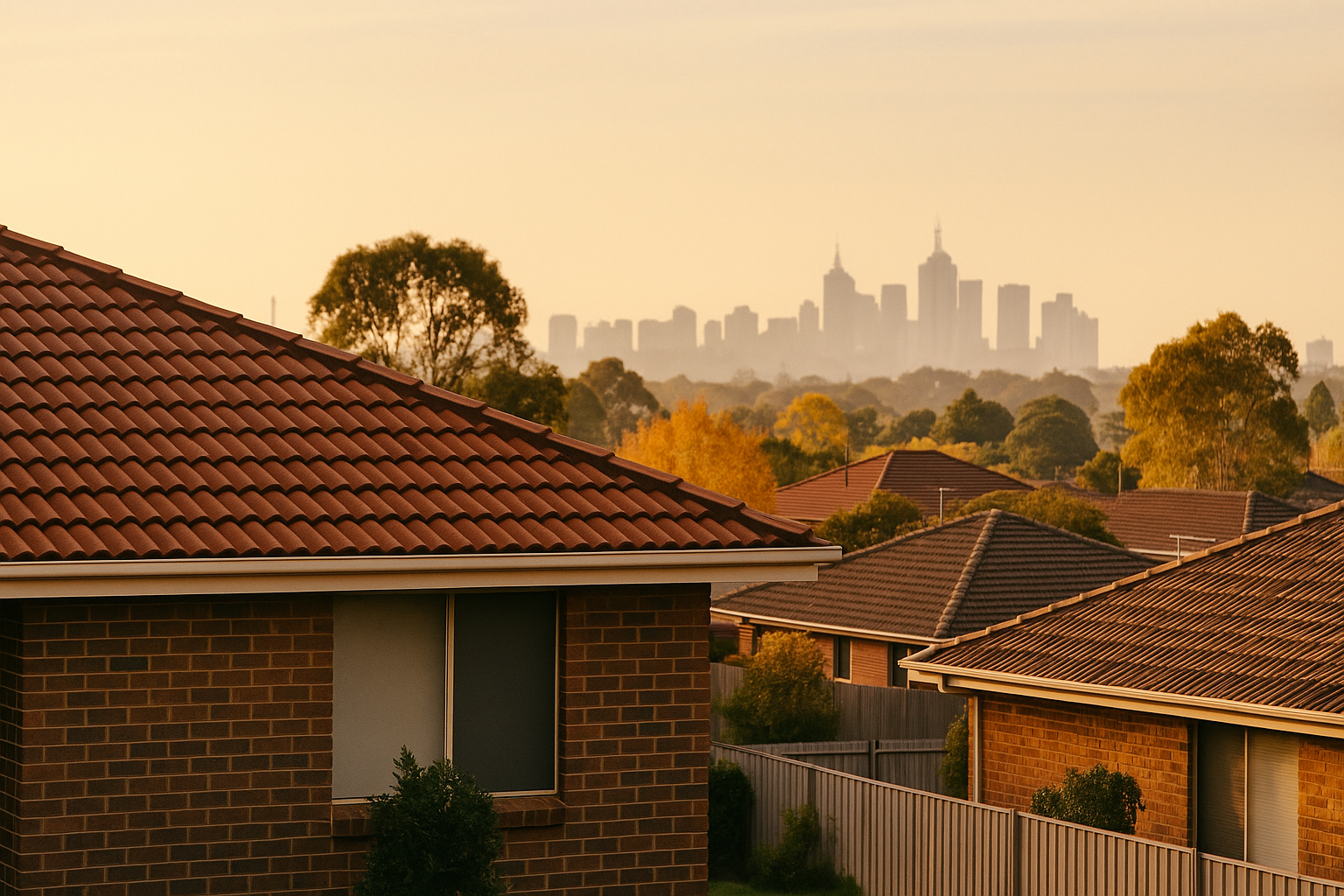
Australia’s property market has shifted gears. It’s not crashing. It’s not booming. It’s just… evolving. And that’s not a bad thing.
Right now, we’re seeing some markets pause for breath while others—quiet for a while—start stretching their legs. For investors, this is where the real opportunity lives: in understanding the cycle, spotting what others overlook, and positioning ahead of the next run.
Let’s break it down.
Momentum’s Slowing—But That’s Not a Red Flag
Some of the top-performing markets—Brisbane, Perth, and Adelaide—are easing off a bit. Nothing dramatic, but enough to notice. If we look at rolling 12-month figures, growth has dipped by about 1–1.5%. Still firmly in double-digit territory though. So it’s not a correction—it’s a breather.
And on the flip side? We’re seeing a bit of movement in Hobart and Darwin. These are markets that’ve been quiet for a while, but we’re now picking up early signs of renewed interest. It’s not a boom call, but it is a reminder: all markets move in cycles. And the quieter ones don’t stay quiet forever.
Rents Are Calming Down (Finally)
After three years of intense rental growth, we’re seeing things settle. Nationally, rents are hovering in the 2.5% to 5% annual growth range—about 4% on average. Still healthy, but not eye-watering.
Sydney, Melbourne, and Brisbane are holding their ground. Perth and Adelaide have pulled back slightly. Darwin and Hobart are cooling too. And interestingly, Canberra’s showing a bit of uplift.
What’s behind it? A mix of easing interest rate expectations and tenants hitting affordability ceilings. We’ve likely passed the peak, which honestly brings a bit more balance to the investor-tenant equation. That’s a good thing for long-term sustainability.
Victoria Is Leading the Charge in Investor Activity
Here’s the standout: nearly 65% of all purchases we’re seeing right now are in Victoria. That’s the biggest concentration we’ve had in years. Strong data, robust infrastructure, and affordability compared to Sydney are all playing their part.
Queensland is next at 14%, then Western Australia, NSW, Tassie, and SA round it out. Worth noting: Tassie activity is laser-focused—just one specific pocket outside Hobart.
Could Victoria go higher? Maybe to 70–75%. But we don’t expect it to dominate much more than that. Why? Because the best portfolios are balanced. We’ll keep chasing value wherever it’s hiding—not just where it’s hot.
The Common Thread: Land, Yield, and Affordability
Across the board, our clients are targeting properties that hit a sweet spot:
- Median price: ~$550,000
- Median yield: 5%
- Land size: 680sqm
- Build date: 1980s, give or take
That last one matters. These aren’t off-the-plan apartments or cramped new estates. These are established homes on generous blocks—backing onto infrastructure, in areas with history and growth on the radar.
Why? Because land appreciates. Buildings don’t. It’s that simple. When you buy with this in mind, you’re not just buying today’s returns—you’re buying tomorrow’s potential.
So, Where to From Here?
The market isn’t giving us one clear story right now. But in that complexity lies clarity—if you know where to look.
Some regions are pausing. Others are picking up steam. Rental growth is easing, and Victoria’s shining a bit brighter than the rest right now. But the fundamentals haven’t changed: strong land content, solid yields, affordable price points, and a long-term lens still drive the best outcomes.
This is the time to go back to basics. Reassess. Rebalance. Refocus. Are you looking in the right places? Are you watching the right indicators?
And if you’re unsure—reach out. That’s what we’re here for.
As momentum slows and Victoria draws more investor attention, the key question is where value still exists without chasing headline growth, and the Ripehouse Advisory webinar can help unpack the data, compare regions, and sharpen that next step.
Frequently asked questions
Is Australia’s property market crashing, or just slowing down?
It’s slowing in some areas, but the article says it is not crashing. Brisbane, Perth and Adelaide are easing after strong growth, while Hobart and Darwin are showing early signs of renewed interest.
What is happening to rental growth across Australia right now?
Rents are calming down after three years of intense growth. Nationally, annual rental growth is now around 2.5% to 5%, with an average of about 4%, which the article says is a sign of more balance returning.
Why is Victoria attracting so much investor activity in this market update?
Victoria is leading investor activity because of strong data, robust infrastructure and affordability compared with Sydney. The article says nearly 65% of purchases being seen are in Victoria.
What type of property are investors focusing on in this update?
The article says investors are targeting established homes with land content rather than off-the-plan apartments or new estates. The common profile is about a $550,000 median price, 5% yield, around 680sqm of land and a 1980s build date.
Why does the article say land content matters more than the building itself?
Because, as the article puts it, land appreciates while buildings do not. That is why it favours established homes on larger blocks with long-term growth potential.
General information only. It does not take your objectives, financial situation or needs into account, and nothing here is legal, financial, taxation or investment advice specific to your circumstances.