News · 21 August 2026 · 3 min read
They Paid $800,000 for a Flat. The Ground Rent Doubles Every 10 Years — Forever
A London couple bought a £420,000 flat, then discovered the ground rent on the land beneath it doubles every decade — £102,400 a year within two generations. Australia mostly avoids this trap. Mostly. Here are the local structures that rhyme with it.
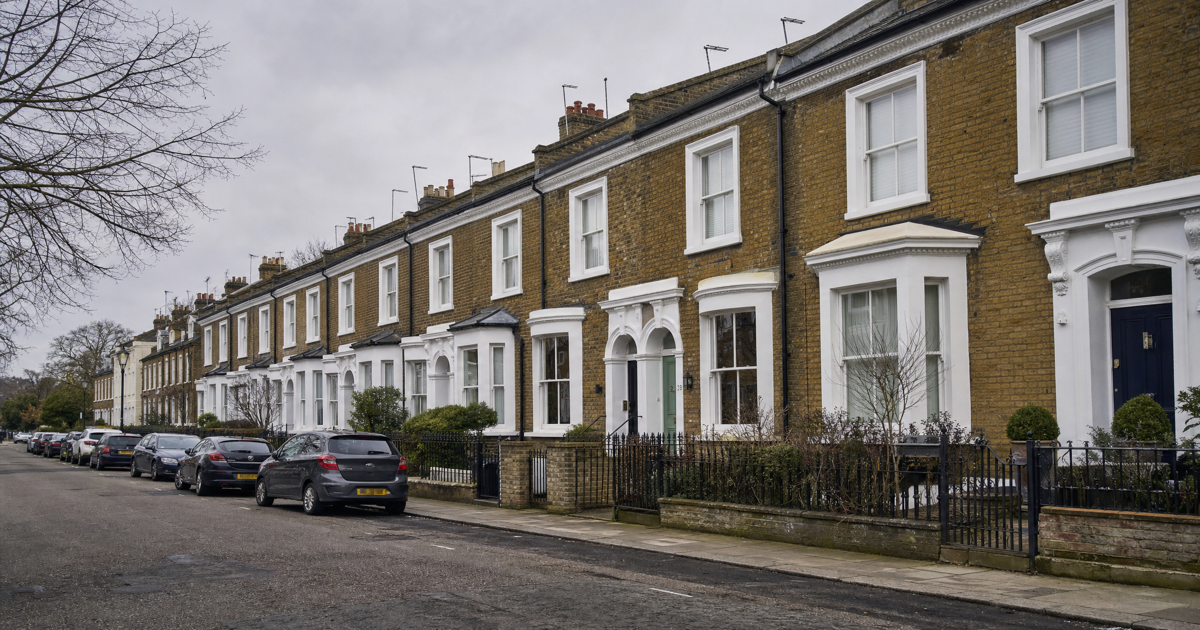
A London couple paid £420,000 — about $800,000 — for a two-bedroom flat. The mortgage was approved, the solicitor signed off, the keys were handed over. Then they read the fine print on the land beneath their building.
The ground rent — a fee paid to the freeholder who owns the dirt under the flat — started at £400 a year. Harmless. Except the lease said it doubles every ten years. Run that forward: £800, then £1,600, £3,200, £6,400... by the time their children inherit the flat, the ground rent hits £102,400 a year. To live in a home the family already bought.
The building was theirs. The land underneath never was.
How an entire country walked into this
In England and Wales, most flats — and in the 2000s and 2010s, a shocking number of new houses — were sold as leasehold: you buy the right to occupy for 99, 125 or 999 years, but a freeholder keeps the land. Developers realised those freeholds were an asset. They wrote escalating ground rents into leases, sold the freeholds to investment funds, and buyers' own conveyancers waved it all through.
The result was a national scandal. Tens of thousands of owners found their homes effectively unsellable — banks began refusing to lend against leases with doubling clauses. People who did nothing wrong except trust the process were trapped: they couldn't sell, couldn't remortgage, and faced ground rents growing faster than their salaries. The UK government has spent years legislating its way out, and the mess still isn't fully resolved.
"That can't happen here" — mostly true, and that's the trap
Australia's system is genuinely different. Almost all residential property here is freehold or strata title — when you buy, you own the land (or your share of it). Nobody can double the rent on your own dirt.
But "mostly" is doing real work in that sentence, because structures that rhyme with UK leasehold exist here, and they catch buyers who assume ownership is always ownership:
Leasehold land. Nearly all of the ACT is 99-year Crown leasehold, and pockets of leasehold exist elsewhere. Usually benign — but the terms matter, and most buyers never read them.
Land lease communities. You own the dwelling, you rent the land beneath it — with site fees that rise on the operator's schedule. Marketed heavily to downsizers. The house depreciates like a car while the land you don't own does all the growing. It is the UK model with better weather.
Embedded networks and body corporate contracts. Some apartment buildings lock owners into decades-long agreements for utilities, management or facilities, signed by the developer before the first owner ever moved in. You own the flat; someone else owns an income stream flowing out of it.
Rent-to-own schemes. Pitched at people who can't get finance. In most versions, the "buyer" carries all the obligations of ownership while holding none of the title — and one missed payment can erase every dollar contributed.
The rule underneath all of it
The London couple's mistake wasn't buying property. It was assuming that buying and owning are the same thing, and that if the contract were dangerous, someone in the chain would have said so. Nobody said so. Nobody was paid to.
Before any purchase, we ask one blunt question: who owns what, forever? The dwelling, the land, the airspace, the services flowing through the walls. If any piece of that answer is "someone else, on terms that can change" — the price needs to reflect it, or the answer is no.
This is exactly why we built our research the way we did. Street-level data tells you what an asset is really worth; reading the ownership structure tells you whether you're actually buying it. Australian freehold residential property remains one of the most secure, transparent ways to build wealth anywhere in the world — precisely because when you buy it properly, the dirt is yours. The investors who win are the ones who make sure of it before they sign.
If there's a specific street you're weighing up right now, check its Street Score first — it's free, takes ten seconds, and tells you whether that street is pulling the suburb average up or riding on it.
Frequently asked questions
How is the London ground rent problem different from most Australian property purchases?
In Australia, most residential property is freehold or strata title, so you usually own the land or your share of it. That means there is generally no separate freeholder who can keep raising rent on the land beneath your home.
Are there any Australian property structures that can still catch buyers out like this?
Yes. The article points to leasehold land, land lease communities, embedded networks or body corporate contracts, and some rent-to-own schemes. In these setups, you may own the dwelling but not the land or key services, so the terms matter.
What is the main risk with land lease communities in Australia?
You own the dwelling, but you rent the land beneath it and pay site fees that rise on the operator’s schedule. The article says this can leave the house depreciating while the land value grows for someone else.
Why can a property be hard to sell or finance if the ownership structure is risky?
The article says UK banks began refusing to lend against leases with doubling clauses, which made homes effectively unsellable. The same basic risk applies when buyers do not fully understand who owns the land, services, or long-term income streams.
What should a buyer check before signing any property contract?
The article says to ask one blunt question: who owns what, forever? That includes the dwelling, the land, the airspace and the services flowing through the building, especially if any part is owned by someone else on changing terms.
General information only. It does not take your objectives, financial situation or needs into account, and nothing here is legal, financial, taxation or investment advice specific to your circumstances.