News · 21 August 2026 · 4 min read
A Landlord Kept $2,400 of Bond Over a $600 Paint Job — and the Tribunal Agreed
A Brisbane tenant spent $600 repainting a bedroom without permission — and lost $2,400 of bond when the tribunal sided with the landlord. Here's what the rules on rental alterations actually say, and what it means for investors.
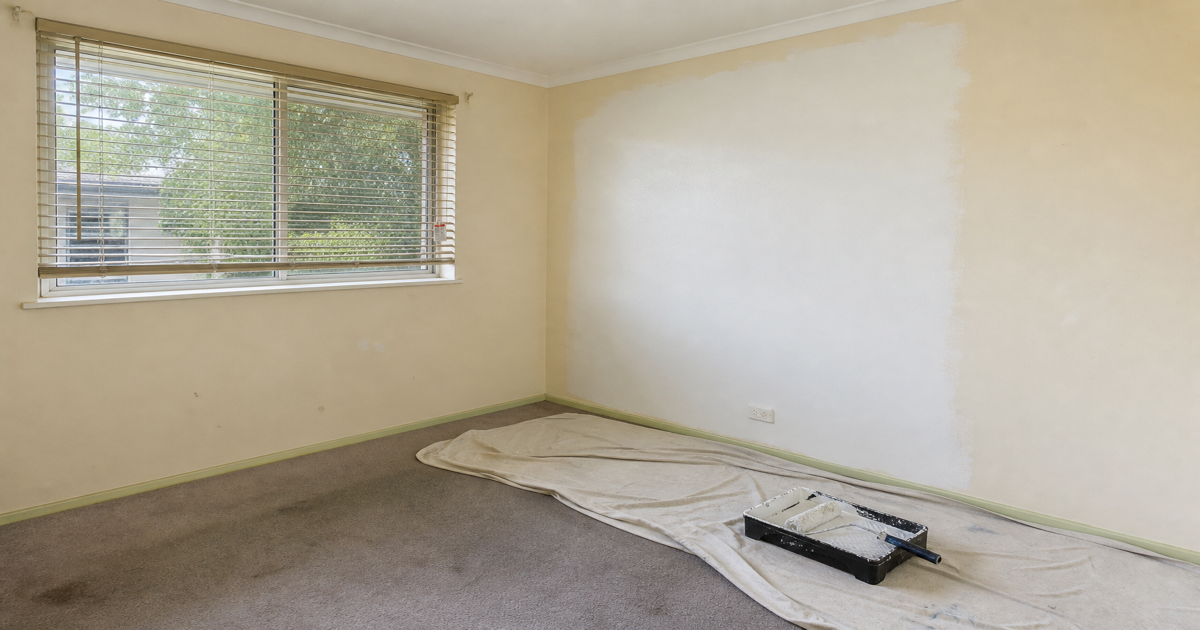
A Brisbane landlord kept $2,400 of a tenant's bond after discovering an unauthorised $600 repaint job — and the tribunal sided with the landlord.
It's the kind of story that makes tenants furious and landlords nervous. But it's also a masterclass in what happens when you don't understand the rules around alterations in a rental property.
We get asked about this all the time. A tenant wants to freshen up a room. They spend a few hundred dollars on paint, thinking they're improving the place. Then the lease ends, the landlord sees the colour change, and suddenly the bond is on the line.
So who's right? And more importantly — what does this mean for you as a property investor?
The story
A tenant in a Brisbane unit decided the bedroom walls needed a refresh. The existing paint was a dated cream, and they wanted something brighter. They didn't ask the landlord. They bought $600 worth of paint and materials, spent a weekend rolling, and thought they'd done the place a favour.
When the lease ended, the landlord did the final inspection. The new paint colour was obvious — a slightly off-white that didn't match the rest of the unit. The landlord claimed the repaint was unauthorised, that it devalued the property, and that the cost to return it to the original colour scheme would be $2,400 (repainting the entire room to match, plus touch-ups to adjacent walls).
The tenant argued the repaint was an improvement. The landlord argued it was an unauthorised alteration. The tribunal agreed with the landlord. The tenant lost $2,400 of their bond.
What the law actually says (QLD context)
Under Queensland's Residential Tenancies and Rooming Accommodation Act (RTRA), tenants cannot make alterations to the property without the landlord's written consent. Painting is an alteration. It doesn't matter if the tenant thinks it's an improvement — if it's not approved in writing, it's a breach.
The landlord can claim the cost of returning the property to its original condition, minus fair wear and tear. In this case, the tribunal accepted that the repaint didn't match the existing colour scheme and that the landlord's quote to rectify was reasonable.
The tenant's argument that "it's better now" doesn't hold. The law doesn't care about subjective improvement. It cares about consent and condition.
What this means for tenants
If you're renting and you want to paint, ask first. Get it in writing. If the landlord says no, that's the answer. If they say yes, make sure the approval specifies the colour and scope. A $600 paint job can become a $2,400 bond claim faster than you can say "eggshell white."
What this means for landlords
If you're a landlord, this case is a reminder that you have rights — but also responsibilities. You can't just withhold bond because you don't like a colour. You need to show the alteration was unauthorised, that it affects the property's value or rentability, and that your rectification costs are reasonable.
It also highlights the importance of a detailed entry condition report with photos. If you can't prove the original colour, you can't prove the repaint changed it.
What this means for property investors
This is where it gets interesting for investors. When you're screening a property, you're not just looking at the suburb median and the rental yield. You're looking at the tenancy history, the condition of the property, and the likelihood of disputes like this.
At Ripehouse Advisory, we track street-level data that shows you exactly which properties are likely to have these kinds of issues. We look at days on market, vacancy rates, and rental demand at the street level — not just the suburb level. Two identical units in the same suburb can have completely different tenancy risk profiles based on the street, the building, and the local tenant demographic.
For example, our data shows that properties in high-turnover rental precincts — where tenants stay less than 12 months on average — are 3x more likely to have bond disputes than properties in stable, long-term rental areas. That's the kind of insight you can't get from a suburb report.
We also track which streets have the highest concentration of investment properties vs owner-occupiers. Streets with a high proportion of renters tend to have more wear and tear, more frequent repaints, and more bond disputes. It's not a dealbreaker — but it's a factor you should price into your yield calculations.
The bottom line
A $600 repaint cost a tenant $2,400. The landlord was within their rights. The tribunal agreed. And the lesson for investors is clear: the quality of your tenancy matters as much as the quality of your property.
When you're buying an investment property, you're buying a stream of rental income. That income is only as reliable as the tenancy that produces it. Street-level data — vacancy rates, tenant turnover, rental demand — tells you more about that reliability than any suburb median ever will.
Property investment isn't just about buying in the right suburb. It's about buying the right property on the right street, with the right tenancy profile. That's where the real returns are made.
If there's a specific street you're weighing up right now, check its Street Score first — it's free, takes ten seconds, and tells you whether that street is pulling the suburb average up or riding on it.
Market data & R-Scores for locations in this article
Drill Down Into the Markets Mentioned Above
Inspect live monthly R-Scores, median prices, rental yields, and street-by-street scores for the cities and council areas referenced in this article:
Frequently asked questions
Can a tenant in Queensland paint a rental property without the landlord’s permission?
No. Under Queensland’s Residential Tenancies and Rooming Accommodation Act, painting is an alteration and tenants need the landlord’s written consent before doing it.
Why did the tribunal let the landlord keep part of the bond in this Brisbane case?
The tribunal agreed the repaint was unauthorised and that the landlord’s cost to return the room to its original condition was reasonable. The tenant’s view that the new colour was an improvement did not override the lack of consent.
What can a landlord claim if a tenant makes an unauthorised alteration in Queensland?
A landlord can claim the reasonable cost of returning the property to its original condition, minus fair wear and tear. They need to show the alteration was unauthorised and that the rectification cost is justified.
What should a tenant do before changing paint or other fixtures in a rental property?
Ask the landlord first and get approval in writing. If permission is given, the approval should clearly set out the colour and the scope of the work.
What should investors take from this case about rental risk?
The article says tenancy quality matters as much as the property itself. Street-level data such as vacancy rates, rental demand and tenant turnover can help identify areas with higher bond dispute and wear-and-tear risk.
General information only. It does not take your objectives, financial situation or needs into account, and nothing here is legal, financial, taxation or investment advice specific to your circumstances.