Q&A · 14 May 2025 · 2 min read
Is Property Flipping Still Worth It? Let’s Have a Real Talk.
Discover whether property flipping still stacks up in today’s market. We break down renovation costs, shrinking margins, and when flipping might (or might not) make financial sense for investors.
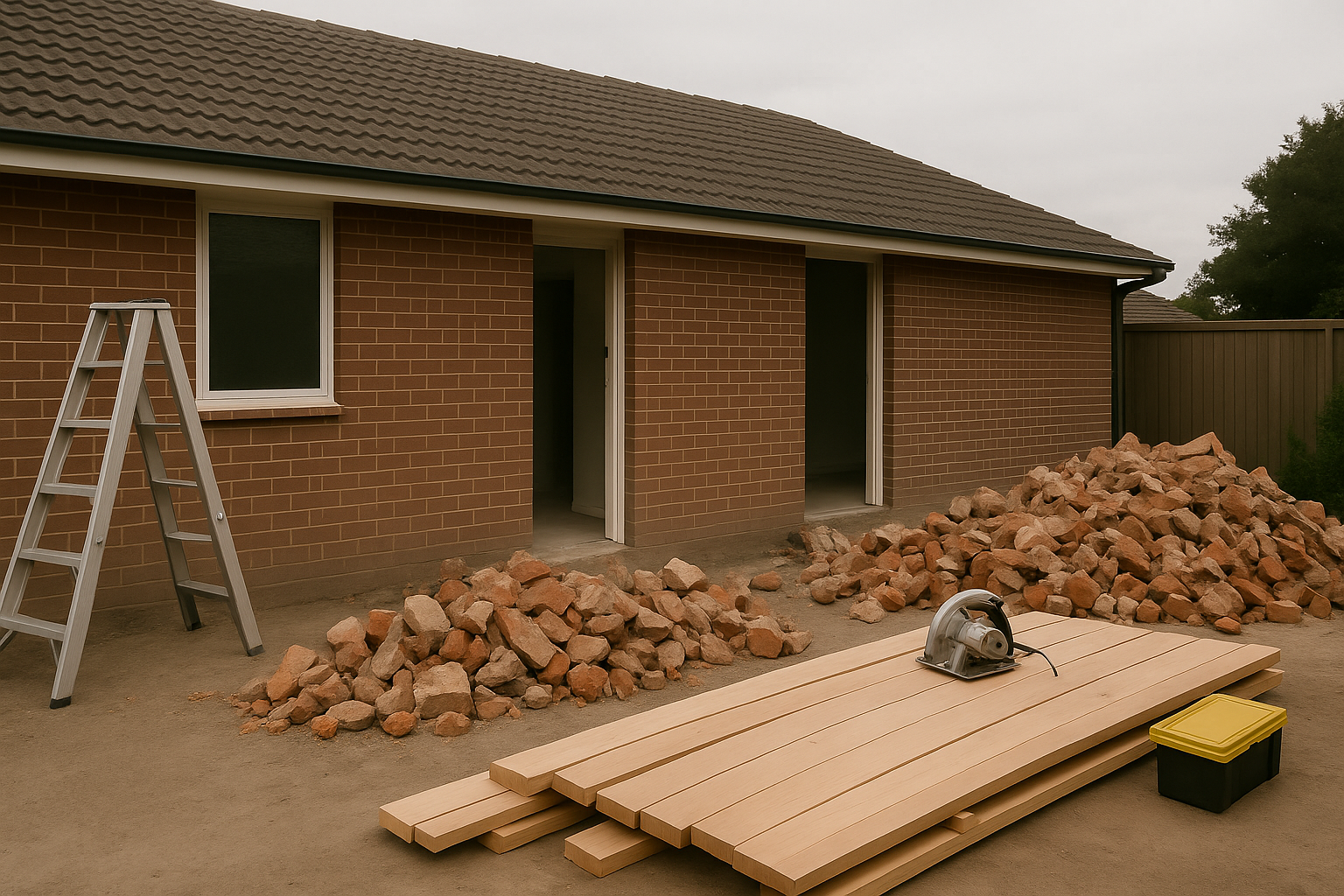
Flipping has always had that shiny, quick-win appeal. Buy a property, fix it up, sell it for a tidy profit—sounds simple enough. But in today’s market, is it still worth the time, cost, and risk? The short answer: sometimes, but not as often as you might think.
Let’s break it down without the fluff.
The Profit Margins Are Tightening
Not long ago, you could spend $50,000 on a reno and expect $100,000–$150,000 back in value. These days? It’s often closer to $60,000 or $70,000 in uplift—if everything goes to plan. That’s a big “if” when materials cost more, tradies are flat out (and charging accordingly), and delays are the new norm.
Even cosmetic upgrades have become expensive. And if you're not swinging the hammer yourself or getting mates' rates, the math can get shaky fast. Add in holding costs, finance, and the lost rental income while the property sits idle? Suddenly the upside doesn’t look so attractive.
Good Renovations Pay—Bad Ones Cost
Here’s something we see too often: investors spending big on renos that just don’t land. Maybe the work’s rushed. Maybe the style’s off. Either way, poor execution can hurt value more than it helps.
Done well, a renovation can absolutely elevate a property—but it needs to be strategic. And it needs to be backed by data. Before starting anything, ask: are buyers in this suburb paying a clear premium for renovated homes? What do the recent sales say? If the uplift isn’t obvious (and reliable), it might be better to leave the sledgehammer in the shed.
Sometimes the Market Does the Heavy Lifting
Here’s a story: we looked at a property that sold for $587,000 just nine months after being bought for $460,000. You’d expect a transformation, right? But the house was near-identical to when it was purchased—same layout, same block size, barely touched. The big difference? Market movement.
This is key: flips can look like renovation wins when really, it’s just the market rising beneath them. That’s not necessarily a bad thing—but it means we have to be honest about where the gains are coming from.
So, Is Flipping Still a Smart Move?
It can be—but only under the right conditions. If you’ve got access to cheap, quality trades or you’re handy yourself, and you're in a market where renovated homes clearly sell for more, then a flip can make sense.
But it’s no longer the “easy money” play it’s sometimes made out to be. Today, it’s a more delicate balance of timing, execution, and market insight. And sometimes? The smarter move is to buy a home that someone else has overcapitalised on—and let them do the heavy lifting.
Bottom Line
If you’re thinking about flipping, make sure the numbers are telling you a clear story. Be realistic about your costs, your timeline, and your capacity. And remember: the goal isn’t to be busy—it’s to build lasting, compounding wealth. Sometimes the best gains come not from swinging a hammer, but from standing back and choosing the right opportunity.
If you’re weighing up whether the uplift really comes from renovation or just market movement, the Ripehouse Advisory webinar can help you test the numbers, compare local sales evidence and decide whether a flip stacks up before you spend a dollar.
Frequently asked questions
Is property flipping still worth it in the current Australian market?
Sometimes, but not as often as before. The article says margins are tighter now because renovation costs, finance, holding costs and delays can quickly eat into profit.
Why are property flipping profits harder to achieve now?
Renovation materials are more expensive, tradies are busy, and delays are more common. Even cosmetic upgrades can cost more, while the uplift in value is often smaller than it used to be.
What should I check before deciding to renovate and flip a property?
Look at whether buyers in that suburb pay more for renovated homes and review recent comparable sales. If the uplift is not clear and reliable, the renovation may not add enough value.
Can a property look like a successful flip when the real gain came from the market?
Yes. The article gives an example where a property sold much higher after nine months without major changes, suggesting the market itself did most of the work rather than the renovation.
When does flipping make the most sense for an investor?
It can make sense if you have access to cheap, quality trades or can do some work yourself, and if renovated homes clearly sell for more in that market. Otherwise, the numbers may be too tight.
General information only. It does not take your objectives, financial situation or needs into account, and nothing here is legal, financial, taxation or investment advice specific to your circumstances.