Market Intel · 2 October 2026 · 5 min read
Australian Property Yields Rise as Home Values Fall 5.2%
Home values have fallen 5.2% from their March peak while rents rise 5.5%. We examine Australian property yields, vacancy, supply and two R-Score markets for investors.
▶ Watch the full video on YouTube: Values Down 5.2%, Rents Up 5.5% — Why Yields Are Rising
Home values have fallen for six consecutive months, while rents have risen 5.5% over the past year. For Australian property investors, that widening gap is the more important story: the price paid for an asset is softening while the income it produces is strengthening.
The market is not moving as one. The data points to different outcomes by state, suburb, price bracket and property type, making professional research and street-level selection increasingly important.
Australian property yields are rising as values soften
Cotality reported a 1.1% fall in national home values in September, taking values 5.2% below their March peak. Brisbane fell 1.5%, Sydney declined 1.4%, while Darwin was the only capital to record a rise.
Ripehouse Advisory’s on-the-ground data tells a more nuanced story. Across the four weeks to the end of September, the median sale price in New South Wales was down 4.2% compared with the same period last year. Western Australia moved in the opposite direction, rising almost 10%. This broadly aligns with Cotality’s figures of Sydney down 7% and Perth up 10%.
That is the central investment lesson: Australia is not one property market. The state, city and suburb selected can materially influence both short-term performance and long-term compounding.
At the same time, the typical asking rent on a new lease in Ripehouse Advisory’s data rose from $640 a week to $675. The cheapest 10% of rentals increased by almost 8%, while only the top 10% of properties remained unchanged.
Combining the typical asking rent with the typical sale price produces a gross yield of 4.3%, up from 4.1% a year ago. Yields increased in nine out of 10 price brackets, with the highest decile the only exception.
Rental vacancy remains tight despite a small increase
Cotality’s national rental vacancy rate rose to 2% in September, up from a record low of 1.5% in February. That is a modest improvement in tenant choice, but it remains tight compared with the pre-COVID decade average of 3.3%.
Hobart recorded the loosest capital-city vacancy rate at 3%, while Adelaide remained the tightest at 1.4%. Ripehouse Advisory’s tracked suburbs showed a typical vacancy rate of 2.2%, compared with 2.1% a year earlier.
By state, vacancy rates were 1.5% in South Australia, 1.6% in Western Australia, 2.7% in New South Wales and 2.6% in Victoria. With rents also rising 5.5%, the rental market continues to support well-selected investment property.
Slower sales create more time for prepared buyers
Home sales over the past three months were estimated to be down 19.1% year on year. Brisbane sales fell 27%, Sydney declined 26% and Perth was down 24%. Capital-city listings, meanwhile, were up 23%.
Ripehouse Advisory’s listing data shows the median time online increased from 46 days to 63 days. Only 22% of properties sold within the first month, compared with 30% a year earlier.
This is still a relatively fast-moving market, but it is giving prepared buyers more time to inspect, compare and negotiate. Rather than spending longer considering the same properties, buyers can use the additional time to assess a much broader pool of opportunities at a deeper level.
Fewer unit approvals may affect future rental supply
Australian Bureau of Statistics data showed unit approvals fell 21% in August, while total approvals declined 6.1%. House approvals rose slightly by 3.7%.
Approvals today become completed homes in roughly two or three years. Fewer unit approvals could therefore mean less new rental supply later, although it is not a reason to buy any unit indiscriminately. The building, street, tenant demand and surrounding supply still matter.
St Kilda illustrates the point. Units in the suburb range from $290,000 to $1 million, despite being in the same suburb. A strong headline yield cannot compensate for an unsuitable building or a location exposed to excessive competing supply.
Two high-ranked markets show why suburb selection is not enough
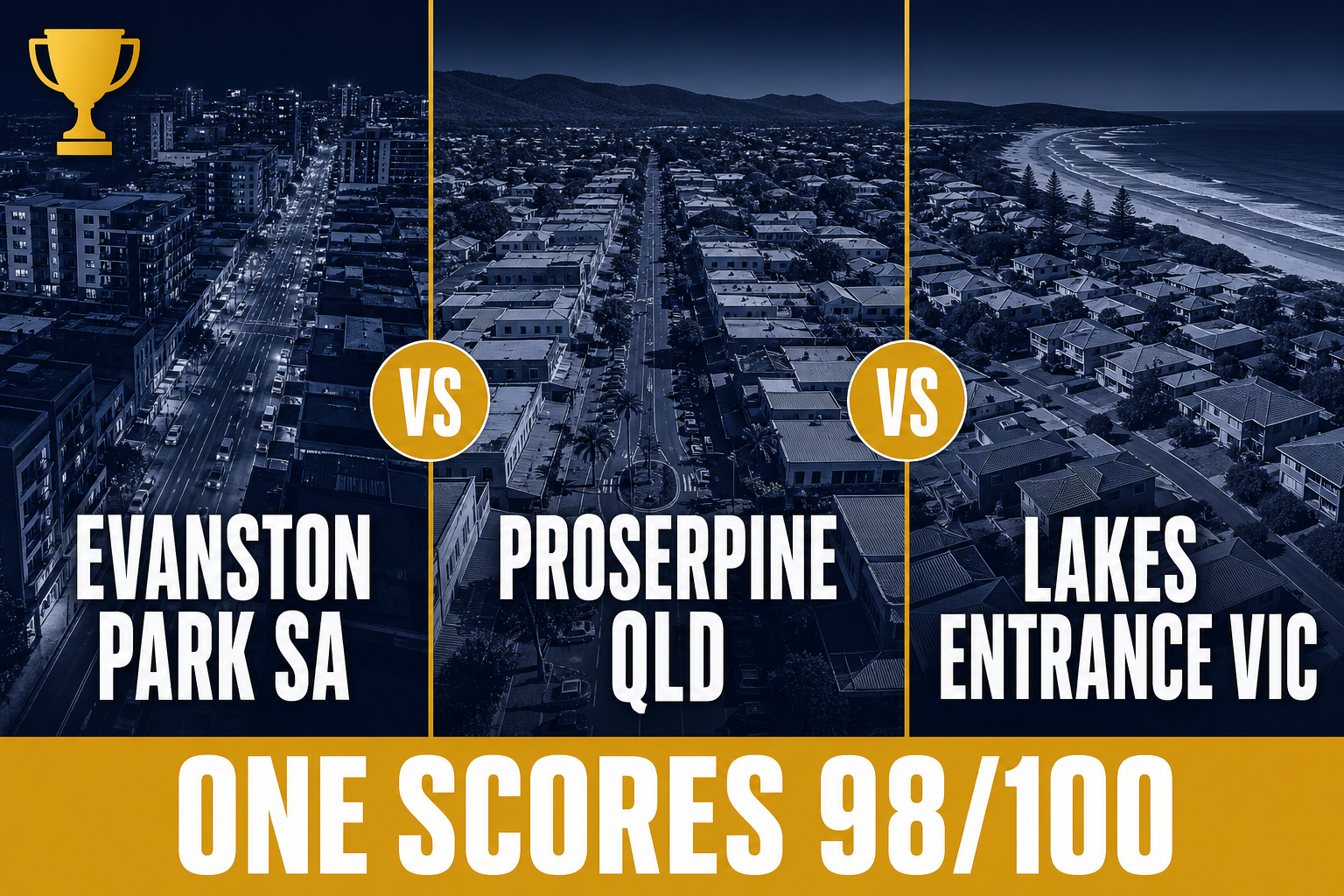
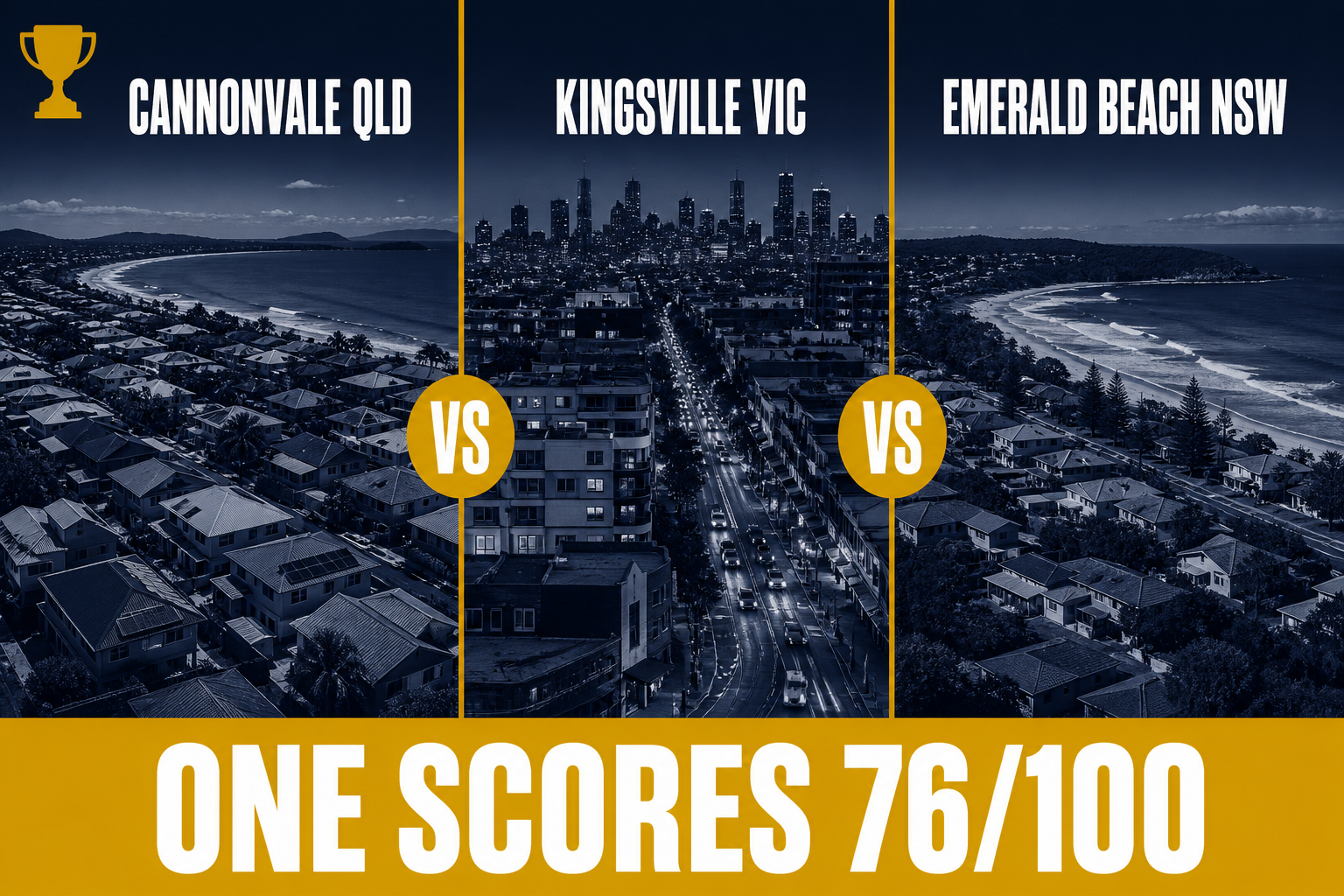
Ripehouse Advisory’s R-Score ranked both West Tamworth and St Kilda in the national top 1%, but the investment characteristics are very different.
West Tamworth has a typical sale price of $430,000, with rents rising from $380 to $460 a week over the past year. Vacancy is 1.7%, but only 37 sales were recorded in the past year, so the ranking needs to be treated carefully and tested against surrounding suburbs. There were nine homes listed for sale at the time of the analysis.
The area also has several potential infrastructure and employment drivers, including the $45 million Aquatic Education Health Centre, a 246-hectare freight and logistics park, the reopened rail line and a $6 million airport precinct upgrade. Street selection remains critical, with substantial differences in prices, yields, investor concentration and social housing between local clusters.
St Kilda has a typical sale price of $540,000, with rents rising from $599 to $650. Gross yields on units are above 6%, but vacancy and supply risk are higher. Port Phillip has a target of 55,000 new homes by 2051, mostly units, while the Metro Tunnel and Anzac Station have increased transport amenity.
That combination can support demand, but it can also create ongoing competition from new construction. Social housing clusters and the location of higher-yielding streets also need to be assessed before buying.
The Ripehouse Advisory take
Falling values, rising rents and tighter yields can create a more constructive entry environment for investors who buy selectively. The key is not simply finding a suburb with a high yield. It is identifying the right property, on the right street, with sustainable tenant demand, acceptable supply risk and genuine owner-occupier appeal.
Use the extra time in the market to compare more properties, validate the data and negotiate from a stronger position. Ripehouse Advisory combines Picki.com.au suburb data, the R-Score and internal rental, vacancy, yield and search-demand research to identify where the underlying conditions are improving.
Download our no-cost Top Five Markets Report 2026 → https://ripe.house/brief
General information only. It does not take your objectives, financial situation or needs into account, and nothing here is legal, financial, taxation or investment advice specific to your circumstances.